Geometric Floral Laser Cut Pattern Bun Review
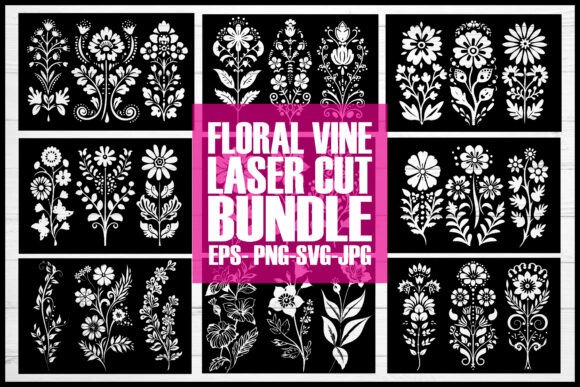
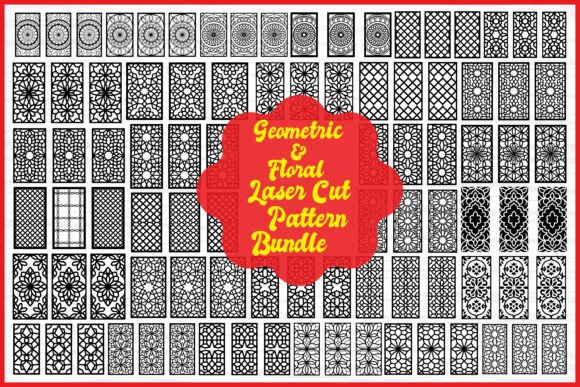
When I first opened the folder for Geometric Floral Laser Cut Pattern Bun, my initial reaction was a mix of curiosity and professional skepticism. As someone who has spent years refining embroidery files for client work, I know that a pretty image on a screen does not always translate to a clean stitch-out on fabric. This collection promises an exquisite mix of lattice, mandala, arabesque, and ornamental patterns, but the real test is whether those intricate details hold up under the tension of a machine needle. My goal today is to look past the marketing copy and discuss how this design actually functions in a real-world commercial setting.
The First Stitch-Out: Visual Personality and Mood
The moment I loaded the file into my digitizing software, the layout immediately suggested a specific type of project. Unlike standard floral motifs that often feel soft and organic, Geometric Floral Laser Cut Pattern Bun carries a structured, architectural energy. The interplay between the geometric lines and the flowing floral elements creates a sophisticated mood that feels both modern and timeless. It is not a design meant for a casual t-shirt; it demands a certain level of craftsmanship from the creator.
In terms of visual appeal, the design excels at creating depth. When I ran a quick simulation, the contrast between the dense fill stitches and the delicate running stitches mimicked the look of actual laser-cut metal or wood. This illusion of layering is crucial for handmade products because it adds perceived value. A customer looking at a finished tote bag or a pillow cover will see complexity where there might otherwise be simple flat embroidery. However, this complexity requires careful planning. The "lattice" aspect suggests that negative space will play a major role in the final product, meaning the choice of stabilizer and thread color is critical to maintaining that airy, cut-out aesthetic.
A Real-World Scenario: The Boutique Apron Project
To truly understand the utility of this design, let's imagine a practical scenario. Suppose you are a small business owner preparing a limited-edition run of kitchen aprons for a local holiday market. You need something that elevates the item beyond a basic logo placement. You decide to use Geometric Floral Laser Cut Pattern Bun as the central motif on the chest pocket area.
Here is how the process would likely unfold. The apron fabric is a heavy-duty cotton canvas, which provides a sturdy base for the detailed stitching. Because the design features ornamental patterns, placing it on a solid background allows the intricate details to breathe. When stitched out, the satin stitch borders define the edges sharply, while the fill stitches create a rich texture that catches the light differently than the surrounding fabric. If you were selling this on Etsy, the resulting photograph would show a high-end, artisanal feel. The design transforms a functional kitchen towel or apron into a piece of decor, justifying a higher price point. It works particularly well for personalized gifts because the geometric nature allows it to fit neatly into monograms or framed embroidery without looking cluttered.
Navigating Technical Challenges and Fabric Limitations
While the potential is high, an experienced designer knows that every design has its breaking points. Geometric Floral Laser Cut Pattern Bun is not a universal solution. There are specific scenarios where this design could fail if used without adjustment.
- Hoop Size Constraints: The intricate details of the mandala and arabesque sections require a relatively large hoop size to avoid distortion. Trying to compress this into a small 4x4 inch hoop would result in crowded stitching where the fine lines merge into a blurry mess.
- Fabric Texture Issues: While it looks stunning on smooth cotton or linen, applying this to highly textured fabrics like chunky bouclé or thick fleece can obscure the geometric precision. The needle might struggle to penetrate the weave cleanly, leading to skipped stitches in the finer lattice areas.
- Stretchy Fabrics: For projects involving stretchy materials like jersey knit or spandex blends, caution is required. Without a heavy-duty stabilizer, the tension of the embroidery could cause the fabric to pucker, ruining the symmetry of the pattern.
- Dense Stitch Areas: The density in the center of the mandala is significant. If you do not check the stitch count, you risk over-saturating the fabric, making it stiff and uncomfortable to wear. This is especially important for baby clothing or items that will be washed frequently.
Furthermore, using this design on dark fabrics requires a specific approach. The contrast between the thread and the fabric must be stark. If you choose a thread color that is too similar to the garment, the subtle geometric lines may disappear entirely, leaving only the bold outlines visible. Always test your thread colors against the final fabric before committing to a full production run.
Impact on Brand Consistency and Customer Trust
For crafters and Etsy sellers, the quality of the finished product directly influences customer trust. A sloppy stitch-out can ruin the reputation of a handmade brand. Geometric Floral Laser Cut Pattern Bun, when executed correctly, signals professionalism. The precision of the geometric shapes suggests that the maker cares about detail. This perception is vital for commercial embroidery projects where clients expect a polished result.
However, the reverse is also true. If the design is not stabilized properly or if the thread tension is off, the intricate details can look messy. In a marketplace filled with mass-produced goods, the slight imperfections of machine embroidery are what make handmade items special. But there is a line between "charmingly handmade" and "poorly made." Ensuring that the stitch density is balanced and that the running stitch sections are crisp will help maintain that balance. Customers are willing to pay more for items that look intentional and refined.
Practical Designer Notes for Success
Before you start uploading this file to your machine or ordering prints for mockups, here are the essential steps to ensure success:
- Test on Scrap Fabric: Never go straight to the final product. Run a test on a scrap piece of the same material you plan to use. Check how the fill stitch sits on the fabric and whether the satin stitch edges are sharp.
- Review Stabilizer Needs: Given the density of the patterns, you will likely need a cut-away stabilizer for durability, especially for items that will be washed often. Hoop size should be confirmed to ensure the design fits within the stable area.
- Check Small Details: Zoom in on the digital file. Are any of the lattice intersections too thin? If they are, they may break during the cutting or stitching process. You might need to slightly thicken these lines in your editing software.
- Mockup in Black and White: Create a printable mockup of the design in grayscale. This helps you visualize how the different stitch densities will appear without the distraction of color. It ensures the design maintains its structure regardless of the thread color chosen.
- Confirm Licensing: Before selling finished items or digital products featuring this design, double-check the license terms. Ensure you have the right to use Geometric Floral Laser Cut Pattern Bun for commercial purposes.
Final Thoughts on Versatility
Ultimately, Geometric Floral Laser Cut Pattern Bun is a versatile asset for the creative entrepreneur. Whether you are designing custom apparel, creating unique embroidered patches, or producing holiday gifts, this design offers a level of sophistication that sets your work apart. It bridges the gap between traditional floral embroidery and modern graphic design, making it suitable for a wide range of applications from nursery decor to boutique branding.
By paying attention to the technical nuances—hoop size, fabric choice, and stabilizer selection—you can transform this digital illustration into a tangible, high-value product. It is a reminder that the best embroidery projects are born from thoughtful preparation and a clear understanding of how the design behaves in the real world. With the right execution, this pattern becomes more than just a graphic; it becomes a signature element of your brand.